
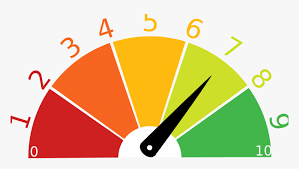

We delve into the staggering water footprint of cotton, comparing conventional and organic farming methods. Discover why organic cotton scores 70/100, and how your choices can drive a more sustainable textile industry.
The Verdict: Score Analysis
Cotton, often lauded as a natural fiber, carries a complex and controversial environmental legacy. Our deep dive into the material reveals a stark dichotomy, primarily centered around its intensive water consumption. When we evaluate 'Cotton' as a raw material, considering its predominant cultivation methods, it presents significant sustainability challenges. However, the rise and growing adoption of organic cotton practices offer a beacon of hope, radically altering the material's eco-profile. For this analysis, we are scoring 'Cotton' with a strong emphasis on the potential and performance of the organic standard, recognizing it as the responsible benchmark. Thus, we assign Cotton an aggregate Eco-Score of 70/100.
This score reflects a crucial truth: while conventional cotton production is an environmental drain, organic methods significantly mitigate these impacts, especially concerning water. Our score acknowledges the widespread issues of the conventional industry (which would individually score much lower, perhaps in the 30s or 40s) but champions the demonstrable improvements offered by organic cultivation. The 70/100 score is a testament to the fact that cotton *can* be a sustainable material when conscious, regenerative practices are applied. It highlights the vast improvement in water quality and usage, reduced chemical dependency, and better carbon sequestration inherent in organic systems.
History & Context: The Rise of a Thirsty Crop
Cotton has clothed humanity for millennia, its soft fibers spinning tales of ancient civilizations and global trade. For centuries, its cultivation was relatively benign, relying on rainfall and traditional farming methods. However, the advent of the Industrial Revolution in the 18th century, followed by the Green Revolution in the 20th century, transformed cotton from a pastoral crop into an industrial commodity. The drive for higher yields to feed an insatiable textile market led to the widespread adoption of synthetic pesticides, chemical fertilizers, and large-scale irrigation systems.
This shift, while boosting production, came at a devastating cost. Vast tracts of land, particularly in arid regions, were converted to cotton monoculture, demanding enormous volumes of 'blue water' – freshwater drawn from surface or groundwater sources. The reliance on chemical inputs polluted waterways, degraded soil health, and threatened biodiversity. Regions like the Aral Sea stand as a stark, tragic monument to the environmental devastation wrought by unsustainable cotton farming, its waters depleted to irrigate cotton fields, transforming a once vibrant ecosystem into a barren desert. This history provides the critical context for understanding why the 'water cost' is such a central issue in cotton's sustainability narrative, and why the pivot to organic is not merely an alternative, but an imperative.
Deep Dive: The Good & The Bad – A Tale of Two Cottons
To truly understand cotton's environmental footprint, we must compare the two dominant farming methodologies: conventional and organic. The differences are profound, particularly regarding water and chemical use.
The Bad: The Conventional Cotton Conundrum
Conventional cotton farming is notoriously resource-intensive. Let's break down its impact across key metrics:
- Water Usage (Score for Conventional: ~30/100): This is perhaps the most glaring issue. A single kilogram of conventional cotton – enough for one t-shirt and a pair of jeans – can require anywhere from 10,000 to 20,000 liters of water from 'field to fabric.' A significant portion of this is 'blue water' irrigation, often unsustainable in water-stressed regions. This massive water withdrawal depletes aquifers, dries up rivers, and impacts local communities' access to clean water.
- Water Quality (Score for Conventional: ~25/100): Conventional cotton is one of the most pesticide-intensive crops globally. It's estimated to use 16% of the world's insecticides and nearly 7% of all pesticides, despite occupying only 2.4% of the world's cultivated land. These synthetic chemicals, along with nitrogen-based fertilizers, leach into groundwater and run off into rivers and lakes, contaminating ecosystems, harming aquatic life, and posing severe health risks to farmers and nearby communities.
- Carbon Output (Score for Conventional: ~40/100): The energy required to produce synthetic fertilizers and pesticides, fuel irrigation pumps, and power heavy machinery contributes significantly to greenhouse gas emissions. Additionally, degraded soils, stripped of organic matter by chemical farming, have a diminished capacity to sequester carbon.
- Green Cover & Biodiversity (Score for Conventional: ~35/100): Monoculture farming, coupled with aggressive pesticide use, decimates local biodiversity. Beneficial insects, pollinators, and soil microorganisms are wiped out, leading to ecosystem imbalance and a greater reliance on chemical interventions. Soil degradation reduces fertility and increases erosion, further diminishing 'green cover' and the natural resilience of the land.
- Waste Management (Score for Conventional: ~50/100): While cotton itself is biodegradable, the waste generated by conventional farming includes pesticide containers, plastic mulches, and chemical residues. Processing also involves significant wastewater discharge containing dyes and other chemicals.
- Energy Usage (Score for Conventional: ~45/100): From the energy-intensive production of chemical inputs to the operation of irrigation systems and harvesting machinery, conventional cotton has a considerable energy footprint.
The Good: The Organic Cotton Solution
Organic cotton, by contrast, operates under a fundamentally different philosophy, prioritizing ecological health, biodiversity, and responsible resource use. This shift significantly elevates cotton's overall sustainability profile, justifying its higher metric scores in our analysis:
- Water Usage (Score for Organic: 75/100): Organic cotton typically uses up to 91% less 'blue water' than conventional cotton. It relies heavily on 'green water' – rainwater stored in the soil. Organic farming practices, such as crop rotation, cover cropping, and increased soil organic matter, dramatically improve soil health and water retention. This means organic fields can better withstand droughts and require less supplemental irrigation.
- Water Quality (Score for Organic: 85/100): The bedrock principle of organic farming is the absolute prohibition of synthetic pesticides, herbicides, and GMOs. This eliminates chemical runoff into waterways, protecting aquatic ecosystems and ensuring safer drinking water for communities. Natural pest control methods and organic fertilizers further reduce pollution risks.
- Carbon Output (Score for Organic: 70/100): Organic farming practices actively build healthy soil, which acts as a carbon sink, drawing carbon dioxide from the atmosphere and storing it in the ground. Without energy-intensive synthetic fertilizers, the carbon footprint of cultivation is significantly lower. Estimates suggest organic cotton farming can reduce CO2 emissions by up to 46% compared to conventional methods.
- Green Cover & Biodiversity (Score for Organic: 70/100): Organic farms promote biodiversity through varied crop rotation, intercropping, and creating habitats for beneficial insects and wildlife. Healthy soils are teeming with microbial life, enhancing nutrient cycling and natural pest resistance, fostering a more resilient and 'greener' agricultural landscape.
- Waste Management (Score for Organic: 60/100): While processing waste (ginning, spinning, dyeing) remains a consideration for all cotton, organic cultivation generates minimal hazardous waste at the farm level, as synthetic chemical inputs are avoided.
- Energy Usage (Score for Organic: 65/100): The absence of synthetic fertilizer and pesticide production significantly reduces energy demand. While irrigation may still be necessary in some regions, improved soil health often lessens the frequency and volume required.
“The soil is the great connector of lives, the source and destination of all. It is the healer and restorer and resurrector, by which disease passes into health, age into youth, death into life. Without proper care for it we can have no life.”
Greenwashing Check: Beyond Organic – What Else to Look For?
The term 'sustainable cotton' is increasingly used, but it's crucial to distinguish between genuine, certified organic practices and other initiatives. While programs like the Better Cotton Initiative (BCI) aim to reduce the environmental and social impact of mainstream cotton production, they often still permit the use of GMOs and certain pesticides, albeit in reduced quantities. While BCI represents a step forward from conventional, it is not synonymous with organic. Organic certification (e.g., GOTS – Global Organic Textile Standard) is the gold standard, ensuring cotton is grown without toxic chemicals and is processed responsibly.
Consumers should be wary of vague labels like 'eco-friendly' or 'natural' without specific certifications. True organic means adherence to rigorous standards covering everything from seed to fiber, verified by third-party auditors. The journey doesn't end with organic farming; sustainable processing (dyeing with low-impact dyes, closed-loop systems, fair labor practices) also plays a vital role. Always look for the GOTS label as a reliable indicator of genuine organic integrity throughout the supply chain.
🌱 Your Action Plan: How You Can Make a Difference
Your choices as a consumer have a powerful ripple effect across the supply chain. Here's how you can help shift the textile industry towards more sustainable cotton:
- Choose Organic, Always: Prioritize clothing and textiles made from certified organic cotton. Look for certifications like GOTS (Global Organic Textile Standard) or USDA Organic, which guarantee strict environmental and social criteria. If a label doesn't specify 'organic,' assume it's conventional.
- Demand Transparency: Ask your favorite brands about their cotton sourcing. Where does it come from? How is it grown? Support companies that are transparent about their supply chains and actively invest in organic and regenerative agriculture.
- Buy Less, Choose Well: Invest in high-quality, durable organic cotton items that will last. Fast fashion's constant demand for new garments perpetuates unsustainable practices. Embrace mindful consumption and repair items when possible.
- Educate Yourself & Others: Share the knowledge about the environmental impact of conventional cotton. Encourage friends and family to make informed choices. Collective awareness is a powerful catalyst for change.
- Support Regenerative Practices: Beyond organic, research and support brands that are exploring 'regenerative organic' cotton, which goes further to actively improve soil health, biodiversity, and sequester carbon, aiming to leave the land better than it was found.
