
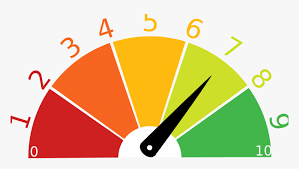

We analyzed Shein's environmental footprint, labor practices, and overall transparency. The verdict? An abysmal 5/100, highlighting the severe costs of ultra-fast fashion. This deep dive uncovers the true impact of the retail giant.
The Verdict: Score Analysis
Shein, the undisputed titan of ultra-fast fashion, receives an alarming **5/100** on our Eco-Score index. This score places the brand firmly in the 'Critical/Toxic' category, reflecting a systemic failure across virtually every measurable sustainability metric. The sheer scale of its production, coupled with a notorious lack of transparency regarding its supply chain and labor practices, paints a grim picture. While consumers are drawn to its rock-bottom prices and relentless novelty, the environmental and social costs are catastrophic. Our analysis reveals a business model optimized for speed and consumption above all else, with little to no genuine commitment to mitigating its devastating impact.
History & Context
Founded in China in 2008, Shein began as an online wedding dress retailer before pivoting to general fast fashion in the mid-2010s. Its rise to global dominance has been nothing short of meteoric, largely fueled by aggressive digital marketing, influencer collaborations, and an algorithmic approach to trend-spotting that allows it to churn out thousands of new designs daily. This 'test and repeat' model means Shein produces small batches of new items, scaling up only those that prove popular. While seemingly efficient, this process still results in an astronomical volume of garments, many of which are discarded before they even reach a customer.
Shein's success is predicated on offering fashion at prices so low they often defy belief, making clothing an almost disposable commodity. This strategy, however, comes at an immense hidden cost. The brand's opaque supply chain, which reportedly leverages a vast network of independent, small-scale factories, allows it to evade scrutiny that larger, publicly traded companies often face. This operational secrecy has become a hallmark of Shein, enabling it to maintain its rapid-fire production cycle and low prices, but simultaneously obscuring its true environmental and social footprint from public view. It represents the pinnacle of a consumption-driven economy, pushing the boundaries of what 'fast' fashion can be, and in doing so, amplifying its inherent problems to an unprecedented degree.
Deep Dive: The Good & The Bad
To speak of 'the good' in Shein's sustainability profile is a challenge, as positive initiatives are either non-existent or so minimal as to be negligible in the face of its overwhelming negative impact. Its business model is intrinsically at odds with sustainability principles.
The Bad: A Cascade of Environmental Devastation
- Waste Management (Score: 2/100): This is arguably Shein's most glaring failure. The ultra-fast fashion model thrives on disposability. With thousands of new SKUs (stock-keeping units) introduced daily and low-quality garments designed for fleeting trends, Shein generates colossal amounts of textile waste. A significant portion of its inventory is never sold, ending up in landfills, often incinerated, or shipped to developing nations where it overwhelms local waste infrastructure. The prevalent use of synthetic fibers like polyester, nylon, and acrylic further exacerbates the problem, as these materials are derived from fossil fuels, are non-biodegradable, and contribute to microplastic pollution with every wash. Packaging is also often single-use plastic, adding to the linear 'take-make-waste' approach.
- Water Quality (Score: 5/100): The textile industry is a major consumer and polluter of water, and ultra-fast fashion intensifies this impact. Dyeing and finishing processes for the vast quantities of fabric used by Shein require enormous volumes of fresh water and often discharge untreated or inadequately treated wastewater laden with toxic chemicals into local ecosystems. While Shein's specific direct data is elusive, the sheer volume of its output suggests a significant contribution to water pollution, impacting biodiversity and human health in manufacturing regions. The production of virgin polyester, a staple material for Shein, is also a highly water-intensive process.
- Carbon Output (Score: 7/100) & Air Quality (Score: 10/100): Shein's carbon footprint is monumental, spanning raw material extraction, energy-intensive manufacturing, and a global logistics network that ships countless small packages directly to consumers worldwide. The production of synthetic materials is energy-intensive and relies heavily on fossil fuels. Furthermore, the rapid turnover of stock necessitates constant air freight and long-distance shipping, leading to significant greenhouse gas emissions and local air pollution. The 'on-demand' nature of its production might reduce some inventory waste, but it doesn't diminish the overall carbon intensity per garment when accounting for the entire lifecycle, especially given the short lifespan of its products.
- Energy Usage (Score: 8/100): From powering thousands of factories and sophisticated data centers to driving its global shipping empire, Shein's operations demand immense energy. While data on renewable energy adoption within its supply chain is virtually non-existent, it's safe to assume a heavy reliance on fossil fuels, given the typical energy mix in major manufacturing hubs. This high energy consumption contributes directly to its carbon and air quality issues.
- Labor Transparency & Social Impact: Though not a specific score field in our current schema, it's crucial to highlight Shein's deeply concerning labor practices. Numerous investigations and reports have revealed allegations of extreme working hours (e.g., 75-hour weeks), unsafe conditions, and meager wages within its supplier factories. The brand's opaque supply chain makes independent verification incredibly difficult, contributing to its abysmal score in overall transparency and social responsibility. Shein has repeatedly failed to provide verifiable evidence of ethical labor standards, earning it a 'red light' from various sustainability watchdogs.
- Material Sustainability: Shein predominantly uses virgin polyester and other synthetic blends, which are cheap, versatile, and quick to produce. However, these materials come with significant environmental baggage, as discussed. There is little evidence of a significant shift towards organic cotton, recycled content, or innovative sustainable materials.
“The Shein model is the logical conclusion of fast fashion, where speed, volume, and low prices trump every other consideration, including human dignity and planetary health.”
Greenwashing Check
Shein has historically engaged in minimal, if any, substantial greenwashing, largely because its business model is so overtly unsustainable that even superficial claims would be easily debunked. However, as public awareness around sustainability grows, Shein has begun to make tentative moves to appear more responsible. This often manifests in vague statements about 'improving supply chain efficiency' or 'reducing waste,' without concrete data, targets, or third-party verification. Recently, Shein launched a resale platform in the US, 'Shein Exchange,' which, while a step towards circularity, is dwarfed by the volume of new, low-cost clothing it continues to produce. Such initiatives risk being perceived as 'bluewashing' – attempts to divert attention from core unsustainable practices rather than fundamentally change them.
The company's opacity remains its biggest barrier to credibility. Without disclosing its manufacturing facilities, auditing processes, or environmental impact data, any claims of sustainability improvement are hollow. Until Shein provides verifiable, transparent data and implements substantial, independently audited changes to its core business model – particularly regarding production volume, material choices, and labor conditions – it should be viewed with extreme skepticism. Its current attempts are best seen as reactive, minimal gestures rather than a genuine shift towards responsible operation.
🌱 Your Action Plan
Your choices as a consumer have power. Here’s how you can make an impact:
- Boycott Shein & Ultra-Fast Fashion: The most direct action you can take is to avoid purchasing from Shein and similar ultra-fast fashion brands. Every purchase fuels a system that exploits labor and degrades the environment.
- Embrace Slow Fashion & Secondhand: Prioritize quality over quantity. Invest in durable, timeless pieces from brands with proven ethical and environmental credentials. Explore secondhand options through thrift stores, consignment shops, and online resale platforms.
- Educate Yourself & Others: Understand the true cost of cheap clothing. Share information about the environmental and social impact of ultra-fast fashion with friends, family, and on social media. Demand transparency from all brands.
- Support Policy Changes: Advocate for legislation that holds fashion brands accountable for their supply chains and environmental impact, such as extended producer responsibility schemes for textiles.
- Repair, Reuse, Recycle (Responsibly): Extend the life of your clothes by repairing them, swapping with friends, or donating them to legitimate textile recycling programs (not just throwing them in donation bins which often end up overseas).
- Question the Price Tag: If a garment seems impossibly cheap, it likely comes at a high cost to people or the planet. Be skeptical of deals that seem too good to be true.
