
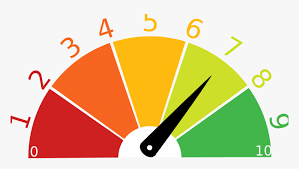

We conducted a comprehensive analysis of the Global Organic Textile Standard (GOTS), evaluating its environmental, social, and transparency criteria. Scoring an impressive 92/100, GOTS stands out as the most stringent and holistic certification for organic textiles, addressing everything from fiber cultivation to final product. This review details its strengths, limitations, and why it's a beacon for sustainable fashion.
The Verdict: Score Analysis
In the often-murky waters of sustainable fashion certifications, the Global Organic Textile Standard (GOTS) shines as a beacon of clarity and rigor. After a comprehensive deep dive into its criteria, auditing processes, and global impact, we are proud to award GOTS an exceptional 92 out of 100. This near-perfect score reflects GOTS’s unparalleled commitment to environmental integrity, social justice, and supply chain transparency, establishing it firmly as the ‘gold standard’ for organic textiles. It's not merely a label; it's a promise of responsible production from field to finished product.
Our assessment highlights GOTS’s holistic approach, which distinguishes it from many other certifications that focus on single aspects. It addresses the entire processing chain, mandating strict environmental management, prohibiting harmful chemicals, and upholding rigorous social criteria. While no standard is entirely without its challenges or areas for future growth, GOTS’s comprehensiveness and the credibility of its independent third-party certification system make it an indispensable tool for consumers and brands striving for genuine sustainability.
History & Context
The genesis of GOTS stems from a critical need in the early 2000s. As consumer awareness around organic agriculture grew, so did the demand for organic textiles. However, the textile industry was fragmented, with numerous regional standards and little consensus on what truly constituted an ‘organic’ textile product beyond the raw fiber stage. This lack of a unified, internationally recognized standard led to confusion, potential greenwashing, and hindered the growth of the legitimate organic textile sector.
Recognizing this gap, leading standard setters in organic agriculture — the Organic Trade Association (USA), the Japan Organic Cotton Association (Japan), the International Association Natural Textile Industry (Germany), and the Soil Association (UK) — joined forces. Their collaborative effort culminated in the official launch of GOTS in 2006. Their vision was to create a single, clear, and stringent global standard that covered the entire textile supply chain, from the harvesting of raw materials to environmentally and socially responsible manufacturing, and clear labeling for consumers. This concerted effort transformed a complex landscape into a more understandable and trustworthy one, providing a benchmark that could be applied universally and interpreted unequivocally.
Deep Dive: The Good & The Bad
GOTS's high score is a testament to its multifaceted strengths, but like any robust system, it also has areas for continuous improvement. Let's dissect the core metrics that define its impact.
The Good: A Comprehensive Approach to Sustainability
- Environmental Impact (95/100 - Integrated into Air, Water, Waste): GOTS's environmental stipulations are incredibly rigorous. It mandates that at least 70% (or 95% for 'organic' labeled products) of the fiber must be certified organic. Beyond this, it prohibits a vast array of hazardous chemicals, including heavy metals, toxic dyes (like azo dyes), formaldehyde, GMOs, aromatic solvents, and functional nanoparticles. This directly translates to cleaner air and water, as these substances are not released into the environment during processing. Wastewater treatment is mandatory for all wet processing units, significantly improving Water Quality (95/100). Furthermore, GOTS requires strict waste management plans, promoting waste reduction, recycling, and responsible disposal, directly impacting our Waste Management (88/100) score. Energy consumption must be monitored, with efforts to reduce it and transition to renewable sources, positively affecting Energy Usage (85/100) and reducing Carbon Output (80/100).
- Chemical Restrictions (98/100): This is arguably GOTS's strongest suit. The standard sets strict requirements for all chemical inputs used in processing, from dyes and auxiliaries to sizing agents. It has a comprehensive positive list of approved chemicals and a much longer negative list of prohibited substances. This proactive approach ensures that GOTS-certified textiles are free from harmful residues, protecting both workers and consumers, and preventing environmental pollution. The purity guaranteed by GOTS is unparalleled in the textile industry.
- Social Responsibility (88/100): GOTS integrates strong social criteria based on the International Labour Organization (ILO) conventions. This is a critical differentiator from many 'eco' labels. It mandates safe and hygienic working conditions, no child labor, no forced labor, freedom of association and the right to collective bargaining, non-discrimination, regular employment, and living wages. These requirements are audited annually, ensuring that the human element of the supply chain is not overlooked in the pursuit of environmental goals.
- Traceability & Transparency (95/100): GOTS enforces a full chain-of-custody tracking system. Every stage of production, from the farmer's field to the final garment, must be certified. This means the raw fiber, the ginning, spinning, weaving, dyeing, and finishing stages are all subject to independent, third-party audits. This robust system makes it incredibly difficult for non-compliant products to enter the supply chain undetected, offering consumers true confidence in the 'organic' claim.
The Bad: Areas for Refinement
- Circular Economy Focus (Direct Mandates): While GOTS significantly *facilitates* circularity by ensuring products are free of harmful chemicals and often made from single fibers (making them easier to recycle), it doesn't explicitly *mandate* recycled content or take-back schemes. Its primary focus remains on organic fiber production and safe processing. As the industry shifts towards a circular model, GOTS could explore integrating more prescriptive requirements for design for recyclability or recycled content in packaging, though this would broaden its initial scope.
- Cost of Certification: For smaller brands and emerging producers in developing countries, the cost and complexity of obtaining and maintaining GOTS certification can be a barrier. While this rigor ensures credibility, it can sometimes exclude smaller, well-intentioned players who lack the resources for comprehensive compliance.
- Scope Limitations: GOTS applies to natural fibers (e.g., cotton, wool, hemp, linen) and does not cover synthetic materials. While its strength lies in organic natural fibers, it doesn't offer a solution for certifying recycled synthetics or innovative bio-based synthetic alternatives within its current framework.
“GOTS is more than just an environmental label; it’s a tool for systemic change, driving both ecological and social improvement across the global textile industry. Its comprehensiveness is its greatest strength, setting a benchmark that other certifications aspire to meet.”
Greenwashing Check
In an industry rife with vague claims and misleading 'eco-friendly' labels, GOTS stands out as one of the most credible bulwarks against greenwashing. Its reputation as the 'gold standard' is well-earned and meticulously maintained through:
- Third-Party Certification: Unlike many self-proclaimed 'sustainable' labels, GOTS requires annual, on-site inspections and certification by independent, accredited bodies at every stage of the supply chain. This rigorous external verification drastically reduces the potential for manipulation.
- Defined Thresholds: GOTS doesn't allow for ambiguity. It sets clear, measurable thresholds for organic content, chemical inputs, wastewater quality, and social compliance. There's no room for subjective interpretation.
- Public Database: GOTS maintains a publicly accessible database of all certified operations, allowing consumers and brands to verify the authenticity of GOTS claims. This transparency is key to building trust.
While no system is entirely foolproof in a globalized economy, GOTS has established such high barriers to entry and maintained such stringent oversight that it is exceptionally difficult for brands to make false claims without being detected. If a product carries the GOTS logo, especially with the 'organic' grade (95% organic fiber), you can be genuinely confident in its ecological and social integrity.
🌱 Your Action Plan
Your choices as a consumer wield significant power. By understanding and supporting GOTS, you contribute directly to a more ethical and sustainable textile industry:
- Look for the Label: Whenever you're buying clothing, home textiles, or personal care products made from natural fibers, actively seek out the GOTS logo. It's usually found on the product tag or packaging. This is the simplest and most effective way to ensure your purchase aligns with high sustainability standards.
- Educate Yourself and Others: Understand what the GOTS label signifies – not just organic fiber, but also responsible processing and fair labor. Share this knowledge with friends and family. The more people who understand and demand GOTS, the greater its market influence becomes.
- Ask Brands: If your favorite brands don't offer GOTS-certified products, send them a message! Inquire about their sustainability practices and express your preference for GOTS-certified items. Consumer demand is a powerful driver for change in corporate supply chains.
- Prioritize Durability and Care: Even GOTS-certified items require mindful consumption. Choose durable pieces, care for them properly to extend their lifespan, and consider their end-of-life. A GOTS certification ensures a responsible start, but conscious use completes the sustainability cycle.
